Members' Dining
Starting Thursday 3 February Full list of dates now available


Starting Thursday 3 February Full list of dates now available
Quality assurance (QA) is a term generally used to describe the processes that seek to ensure that the learning environment reaches an acceptable threshold of quality. QA is also used to describe the enhancement of education and training provision and the standards attained by learners.
Quality, and its assurance, is the primary responsibility of the provider. Provider-owned quality assurance refers to the mechanisms and procedures developed and adopted by providers to achieve a desired level of quality in education provision. King’s Inns has developed a level of quality and complexity of procedures that is appropriate to our size, the specialised field of learning, the level, type and number of awards proposed for inclusion within the National Framework of Qualifications (NFQ), the support structures in place for learners and our external obligations to stakeholders and national requirements.
The QA system refers to all of King’s Inns internal QA policies and procedures working together to form an integrated whole. The QA system was developed, in consultation with staff, and had the following principles to the fore - learner-centred, benchmarked, realistic, relevant, implementable and transparent.
External quality assurance shares the same broad objectives as provider-owned quality assurance. King’s Inns considered the expectations of external quality assurance guidelines when establishing and implementing internal QA policies and procedures, such as collaboration and engagement with stakeholders, establishing and implementing policies and procedures for external quality assurance, publishing all QA policies and procedures and commitment to publishing quality review reports.
The King’s Inns Quality Assurance Framework presents the context and overarching principles for the development and implementation of quality assurance at King’s Inns. The King’s Inns Quality Assurance Framework sets out principles and standards for developing and then ensuring a quality culture across all the activities of King’s Inns School of Law. The legal and regulatory context for quality assurance is presented along with the principles underpinning the development, monitoring and review of policies.
To comply with the QQI Core Statutory Quality Assurance Guidelines and to encourage a more comprehensive system, we agreed at the outset a Policy on Developing Policies. The policy also sets out how policies are to be presented.
To comply with changing legislative requirements at a national level, evolving best practice, feedback from relevant stakeholders and changing circumstances within King’s Inns, policies and associated documents are self-monitored by the named owner of the policy to ensure the ongoing effectiveness of the policy. Policies can be reviewed as necessary or in accordance with the review schedule identified for each policy. Policies or procedures found to be ineffective are replaced or amended. Figure 1 below presents the process for updating and reviewing policies and their supporting documents.
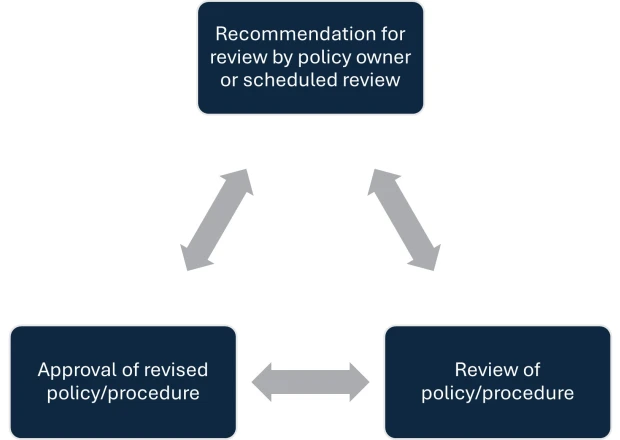
Figure 1: Process for review and updating policies and procedures
The Senior Management Team (SMT) tracks the overall management and review of policies and procedures via a Master List of Policies and Procedures in King’s Inns.
The Council is responsible for oversight of the quality assurance system but the totality of King’s Inns management, administrative, teaching and learning community each have a role in implementing the quality agenda. Quality assurance is embedded in activities at all levels and spans the corporate and academic domains of King’s Inns. The policies set out the role of learners, staff, management, teams, committees and governance structures in implementing quality assurance.
The policy owner is identified for each policy and it is their responsibility to actively engage with the stakeholders affected by the policy to ensure that the policy is fit-for-purpose, effective and implemented, monitored and reviewed.
The procedural framework for the development of policies and procedures follows six key stages set out in Figure 2.
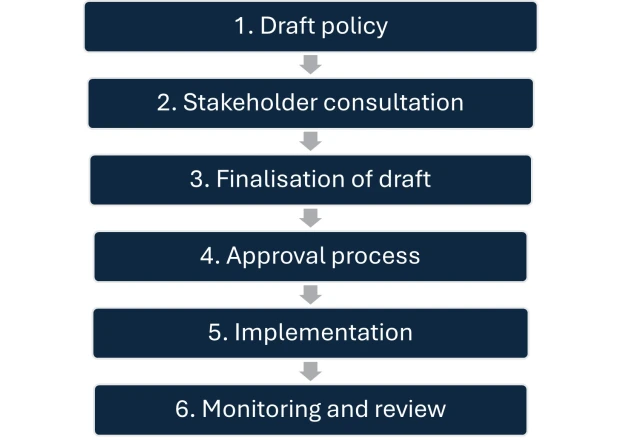
Figure 2: Procedural framework for the development of policies
The key stages for the development of policies are set out in the Policy on Developing Policies. In summary, once the process of policy initiation has commenced it is the responsibility of the policy owner the engage and enlist the support of relevant persons to draft the proposed policy. This is followed by consultation with relevant stakeholders before a draft is finalised and presented to the relevant committee for its approval. The draft policy will be accompanied by a document setting out the implementation plan/action plan for the policy. The policy owner is responsible for monitoring the policy and ensuring that all supporting documents are updated as required. All policies will be reviewed on a three-year cycle from the date of approval, unless changes are required due to legal, statutory or organisational changes monitoring and review stage.